
Answering Your Frequently Asked Questions
We've collated some frequently asked questions for you. If you have any other questions which are not answered below, or would like more information please email the team - info@hansonwade.com.
Event Fundamentals
The RNAi-Based Therapeutics Summit is a dedicated industry forum focused on advancing RNA interference therapeutics, improving extrahepatic delivery and expanding RNAi into new tissues and disease areas. The 8th Annual RNAi-Based Therapeutics Summit takes place January 27-29, 2027, in Boston, MA, bringing together scientists and industry leaders working across oligonucleotide synthesis, chemistry, biology, molecular design and therapeutic development.
The summit is designed for teams addressing the scientific and translational challenges shaping the next generation of RNAi medicines, including tissue-selective delivery, cellular uptake, receptor targeting, endosomal escape, oligonucleotide optimization, therapeutic index and clinical translation.
View the full event guide to explore the sessions, workshops and scientific discussions.
Attend the RNAi-Based Therapeutics Summit to gain practical insight into how leading RNAi scientists are improving extrahepatic delivery, tissue selectivity, oligonucleotide chemistry, potency, durability and safety. The agenda focuses on the scientific decisions that will determine whether RNAi therapeutics can expand successfully beyond established liver-directed applications.
Across three days, attendees will explore RNAi delivery to the CNS, skeletal muscle, heart, adipose tissue, kidney, retina, skin and tumors. The summit also provides dedicated networking, interactive workshops, scientific poster presentations, panel discussions and roundtables designed to support collaboration across the RNAi therapeutics community.
The RNAi-Based Therapeutics Summit is designed for scientists, drug developers and industry leaders working across RNA interference, siRNA therapeutics, oligonucleotide chemistry, extrahepatic delivery, medicinal chemistry, discovery biology, translational science, pharmacology and clinical development.
It is particularly relevant for professionals from pharmaceutical companies, biotechnology companies, academic research groups, RNA delivery platform developers, CROs, CDMOs and solution providers supporting nucleic acid therapeutics. Attendees typically include teams working on target discovery, receptor validation, molecular design, tissue targeting, intracellular trafficking, therapeutic index, preclinical translation, manufacturing and strategic partnerships.
The RNAi-Based Therapeutics Summit is different from broader RNA conferences because it is dedicated specifically to RNA interference and the scientific barriers affecting the development of targeted gene-silencing medicines. Rather than covering every RNA modality at a general level, the summit examines the delivery, chemistry and translational decisions that directly influence RNAi potency, selectivity, durability and safety.
Extrahepatic delivery is a central focus of the program. The agenda explores how RNAi developers can move beyond established liver-directed approaches and reach more challenging tissues, including the CNS, muscle, heart, adipose tissue, kidney, retina and tumors. This makes the event particularly relevant for teams actively developing siRNA therapeutics and targeted delivery platforms.
Attendees will learn how RNAi developers are advancing extrahepatic delivery, improving tissue and cell specificity, optimizing oligonucleotide chemistry and extending the duration of gene silencing. The agenda explores how receptor discovery, intracellular trafficking, endosomal escape and molecular design can improve the potency, safety and clinical potential of RNAi therapeutics.
The summit also examines RNAi applications across cardiovascular disease, heart failure, obesity, metabolic disease, neurological conditions, type 1 diabetes, retinal disease, kidney disease and oncology. Through scientific case studies and translational discussions, attendees will gain insight into progressing RNAi candidates from discovery and preclinical development toward clinical application, investment and partnership.
RNAi Therapeutics Educational Content
RNA interference, commonly abbreviated to RNAi, is a naturally occurring biological process through which small RNA molecules regulate gene expression. The mechanism can recognize and degrade selected messenger RNA molecules before they are used to produce proteins.
Drug developers can harness this process to design RNAi therapeutics that selectively silence genes associated with disease. By reducing the production of a disease-driving protein, RNAi may provide a way to address biological targets that are difficult to reach using conventional small molecules, antibodies or other therapeutic approaches.
RNAi therapeutics are medicines designed to reduce the expression of specific genes by using the natural RNA interference pathway. Many RNAi medicines use small interfering RNA molecules, known as siRNAs, which are engineered to recognize selected messenger RNA sequences and trigger their degradation.
The potential effectiveness of an RNAi therapeutic depends on more than the sequence of the molecule. It must reach the intended tissue, enter the relevant cell population, escape intracellular compartments and engage the RNAi machinery while maintaining an acceptable safety profile. Delivery, chemistry, potency, durability and tissue selectivity are therefore closely connected throughout RNAi drug development.
Small interfering RNA, or siRNA, is a short double-stranded RNA molecule designed to silence a specific gene. After the siRNA enters a cell, one strand guides the cellular RNAi machinery toward a complementary messenger RNA sequence. The messenger RNA is then degraded, reducing the production of the associated protein.
The sequence-specific nature of siRNA makes it a powerful therapeutic tool. However, successful siRNA drug development also requires chemical stability, effective tissue delivery, cellular uptake, intracellular release, durable activity and careful control of off-target effects. These considerations influence whether a promising siRNA molecule can become a safe and effective medicine.
Extrahepatic RNAi delivery refers to the delivery of RNA interference therapeutics to organs and tissues outside the liver. The liver has been an important initial target for RNAi medicines because it is comparatively accessible to certain delivery strategies, while reaching other tissues efficiently and selectively can be more difficult.
Extrahepatic delivery technologies aim to transport therapeutic RNA to tissues such as the CNS, skeletal muscle, heart, adipose tissue, kidney, retina, skin and tumors. Successfully reaching these tissues could significantly expand the therapeutic potential of RNAi across neurological, metabolic, cardiovascular, ophthalmic, renal and oncological diseases.
Extrahepatic delivery is important because many high-value therapeutic targets are located outside the liver. Delivering RNAi medicines to new organs and cell populations could create opportunities in obesity, heart failure, cardiovascular disease, neurological disorders, kidney disease, retinal conditions, oncology, muscle disorders and other areas of unmet medical need.
Each tissue presents different biological barriers. Developers must understand tissue accessibility, receptor expression, biodistribution, cellular uptake, intracellular trafficking, endosomal escape, durability and tissue-specific toxicity. A delivery strategy that works effectively in one organ may therefore require substantial modification before it can be applied successfully to another.
The biggest challenges include delivering a sufficient amount of RNA to the target tissue, reaching the correct cell population, achieving efficient cellular uptake and releasing the therapeutic from intracellular compartments. Developers must also prevent premature degradation and minimize unwanted accumulation in non-target tissues.
Additional considerations include receptor selection, biological barriers, dosing frequency, manufacturing complexity, off-target activity and the differences between preclinical models and human biology. These factors are closely connected, meaning developers must optimize the complete therapeutic system rather than focusing solely on the RNA sequence or delivery technology.
RNAi developers are investigating a range of technologies designed to improve tissue- and cell-specific delivery. These include receptor-targeted conjugates, aptamer-siRNA conjugates, antibody-oligonucleotide conjugates, nanoparticles, engineered RNA architectures and chemically optimized oligonucleotides.
The suitability of each approach depends on the target tissue, relevant cell population, route of administration, disease biology, required duration and acceptable safety profile. The summit examines emerging approaches such as aptamer-siRNA conjugates for skeletal muscle and tetravalent siRNAs for retinal delivery, alongside broader discussions of receptor targeting and extrahepatic delivery.
Agenda and Scientific Content
The RNAi-Based Therapeutics Summit covers the scientific and translational developments shaping the next generation of gene-silencing medicines. Core themes include extrahepatic RNAi delivery, tissue-selective targeting, oligonucleotide chemistry, receptor discovery, intracellular trafficking, endosomal escape and the development of novel delivery technologies.
The agenda also explores aptamer-siRNA conjugates, tetravalent siRNAs, bispecific RNAi technologies and multi-target gene-silencing strategies. Disease-focused sessions examine the potential of RNAi across cardiovascular disease, heart failure, obesity, metabolic disease, neurological conditions, type 1 diabetes, retinal disease, kidney disease and oncology.
The pre-conference workshop day focuses on two important areas of RNAi development: discovering novel receptors for targeted delivery and modifying oligonucleotide chemistry to improve pharmacokinetic and pharmacodynamic performance.
Attendees will examine why receptor expression alone may be insufficient for successful targeting and consider internalization, trafficking pathways and tissue accessibility. The workshops will also explore how chemical modifications can improve stability, circulation time, tissue exposure and gene-silencing durability while addressing RNA degradation, endosomal escape, dose burden, safety, manufacturability and regulatory expectations.
Yes, the agenda examines the development of aptamer-siRNA conjugates for targeted delivery to skeletal muscle. The scientific program explores how transferrin receptor 1-binding aptamers could be used as targeting ligands to support systemic siRNA delivery.
This approach is being evaluated for its ability to produce selective and durable activity in skeletal muscle while offering an alternative to antibody-based targeting. The session will help attendees consider how ligand selection, receptor biology, molecular design, tissue exposure and cellular uptake affect the development of muscle-targeted RNAi therapeutics.
RNAi medicines are being developed to target cardiovascular risk factors, disease-driving receptors and biological pathways involved in heart failure. The agenda explores bispecific RNAi approaches intended to address more than one relevant mechanism within a single therapeutic strategy.
The program also examines how siRNA-based medicines could be developed for broad heart failure populations. These strategies require developers to balance target selection, cardiovascular delivery, potency, durability and safety while ensuring that gene silencing produces a meaningful disease-modifying effect within a clinically practical treatment schedule.
RNAi could be used to reduce the expression of genes involved in tumor growth, survival, resistance and adaptation. However, cancer is often driven by multiple biological pathways and heterogeneous cell populations, meaning that silencing a single gene may not always produce a durable response.
The agenda examines dual and multi-gene silencing strategies designed to address pathway redundancy and tumor resistance. By targeting complementary disease mechanisms, multi-target RNAi therapies could improve treatment responses across heterogeneous cancers and create new opportunities where single-target approaches may be limited.
Speakers and Community
The speaker faculty includes scientific leaders, company founders, senior researchers and business executives working across RNAi delivery, oligonucleotide chemistry, biology, medicinal chemistry, translational research and commercialization.
Organizations represented include Bayer, Eli Lilly and Company, Novo, Sanegene Bio, Thalia Therapeutics, Valaya Bio, Bonito Biosciences, UMass Chan Medical School, Trinetra Therapeutics, Canary Cure, GenKardia, Aro Biotherapeutics, Judo Bio, ARTHEx Biotech, Biocogent, Bound Therapeutics and Madrigal Pharmaceuticals.
The RNAi-Based Therapeutics Summit brings together established pharmaceutical companies, emerging biotechnology organizations, academic research groups, delivery platform developers and specialist technology providers working across the RNAi ecosystem.
Participating organizations are involved in siRNA design, oligonucleotide chemistry, receptor discovery, tissue-specific delivery, cardiovascular disease, metabolic disease, CNS delivery, retinal targeting, kidney delivery, oncology and clinical development. This range of expertise allows attendees to compare strategies across different company sizes, development stages, disease areas and technology platforms.
Yes, the summit is highly suitable for biotechnology companies developing RNAi assets, oligonucleotide technologies, delivery platforms and disease-specific therapeutic programs. The agenda addresses the scientific, translational and strategic challenges that emerging teams face when advancing RNAi programs toward clinical and commercial value.
Biotechnology attendees can benchmark their approaches against pharmaceutical and emerging company peers, explore potential technologies, discuss development barriers and meet prospective investors, pharmaceutical partners, CROs, CDMOs and scientific collaborators. The focused format also allows emerging companies to increase the visibility of their platforms within a specialist community.
Yes, the summit includes structured and informal networking across the pre-conference workshop day and two main conference days. Opportunities include speed networking, workshop discussions, networking breaks, panel discussions, roundtables, lunches and a scientific poster session.
These sessions are designed to facilitate meaningful conversations between RNAi scientists, drug developers, delivery specialists, technology providers, investors and potential partners. The focused setting allows attendees to discuss shared technical challenges, compare scientific strategies and build relationships with people working across closely connected areas of RNAi research and development.
Yes, the RNAi-Based Therapeutics Summit includes a scientific poster session where attendees can present new research and discuss their findings with specialists from across the RNAi community. Relevant areas include RNAi delivery, siRNA design, oligonucleotide chemistry, receptor discovery, tissue-selective targeting, intracellular trafficking, disease models, translational science, pharmacology, safety and manufacturing.
Submitting a poster can help researchers gather feedback, increase the visibility of their work and identify potential scientific or commercial collaborators. Contact the event team at info@hansonwade.com for current poster submission information and requirements.
Registration and Commercial Intent
The 8th Annual RNAi-Based Therapeutics Summit takes place January 27-29, 2027, in Boston, Massachusetts. The event begins with a pre-conference workshop day on Wednesday, January 27, followed by the main conference on Thursday, January 28, and Friday, January 29.
The summit will be held at Homewood Suites by Hilton Boston Seaport District, 670 Summer Street, Boston, MA 02210. Visit the /venue/ page for the latest information about the event location, accommodation and travel.
You can register for the RNAi-Based Therapeutics Summit through the official registration page on the event website. Available packages include conference-only access and combined conference plus workshop-day access.
Different registration categories are available for eligible drug developers, academic and research institutions, and solution or service providers. Qualification criteria apply to some attendee categories, so organizations should review the current pricing, eligibility requirements and booking terms before registering.
Yes, team discounts are available for organizations registering multiple attendees for the RNAi-Based Therapeutics Summit. Groups of two receive a 10% discount, groups of three receive a 15% discount, and groups of four or more receive a 20% discount. The attendees must book and pay at the same time, and the discount cannot be combined with another offer.
Group attendance is particularly useful for multidisciplinary RNAi teams because colleagues can divide their time across workshops, scientific presentations, panels, poster discussions and networking opportunities before sharing their findings internally.
Yes, sponsorship and partnership opportunities are available for organizations looking to connect with scientists and decision-makers advancing RNAi therapeutics. The summit is particularly relevant to CDMOs, CROs, oligonucleotide synthesis companies, analytical service providers and translational model developers.
Partnering with the summit provides an opportunity to demonstrate relevant expertise, increase brand visibility and build relationships with pharmaceutical and biotechnology companies actively evaluating solutions for extrahepatic delivery, oligonucleotide optimization, translational predictability and manufacturing scalability.
Organizations that help RNAi developers solve delivery, chemistry, manufacturing, analytical, translational or clinical challenges can benefit from partnering with the summit. Relevant partners include oligonucleotide manufacturers, delivery-platform developers, CROs, CDMOs, analytical laboratories, conjugation specialists, formulation providers, preclinical model developers and consultancies supporting nucleic acid medicines.
The strongest partnerships demonstrate how a particular technology or service can improve delivery, reduce technical risk, strengthen translational decision-making, support manufacturing scalability or accelerate an RNAi program. The event provides a focused platform for meeting scientists and decision-makers actively evaluating these capabilities.
RNAi therapeutic development requires collaboration between discovery biology, medicinal chemistry, delivery, pharmacology, toxicology, translational science, manufacturing, clinical development and business teams. Sending multiple colleagues allows an organization to evaluate the summit’s scientific and commercial content from several perspectives.
Team attendance also enables organizations to cover more presentations and networking opportunities, meet additional partners and develop a shared understanding of current RNAi trends. Colleagues can then bring their findings together to support coordinated scientific, development and investment decisions after the event.
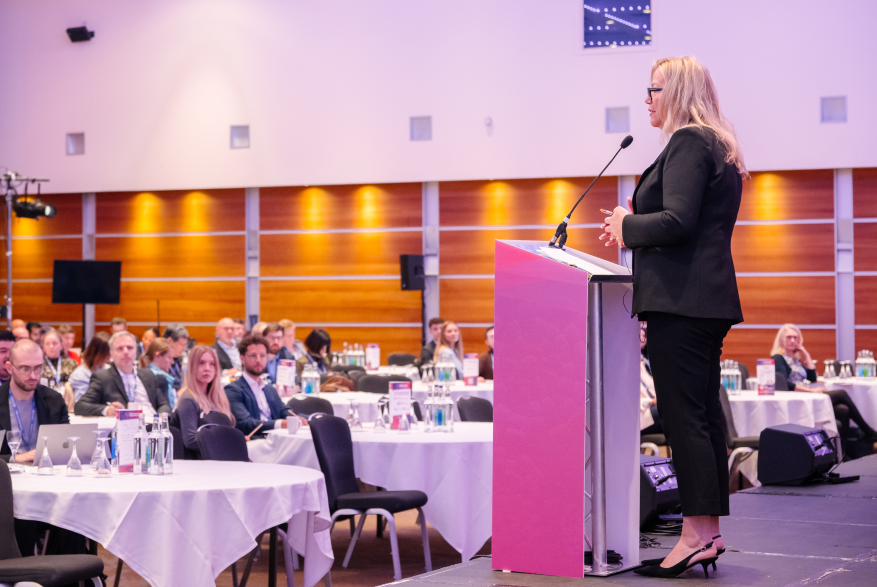
Explore the Agenda
Discover the latest advances in extrahepatic delivery, RNAi chemistry, CNS targeting and chronic disease applications.
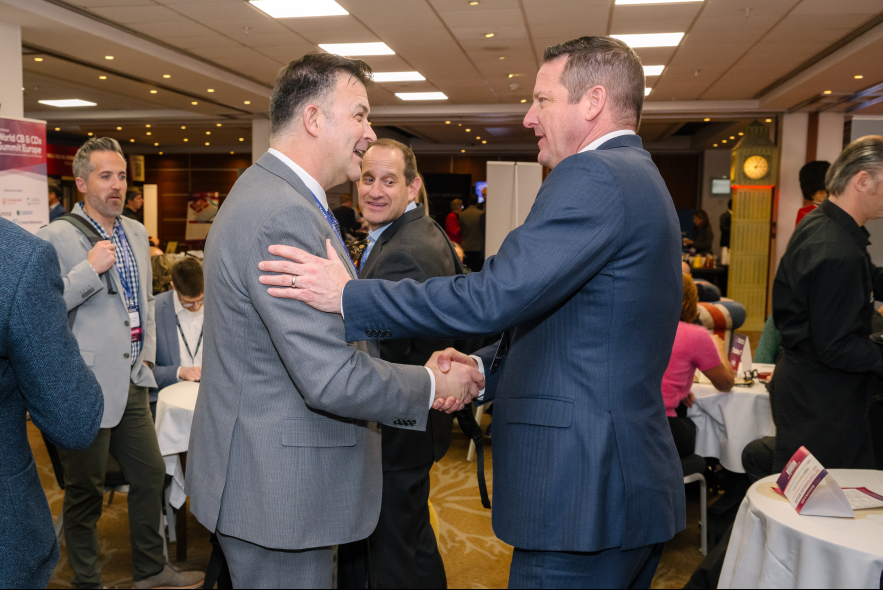
Partner With Us
Showcase your capabilities to RNAi developers seeking solutions for delivery, manufacturing and clinical translation.
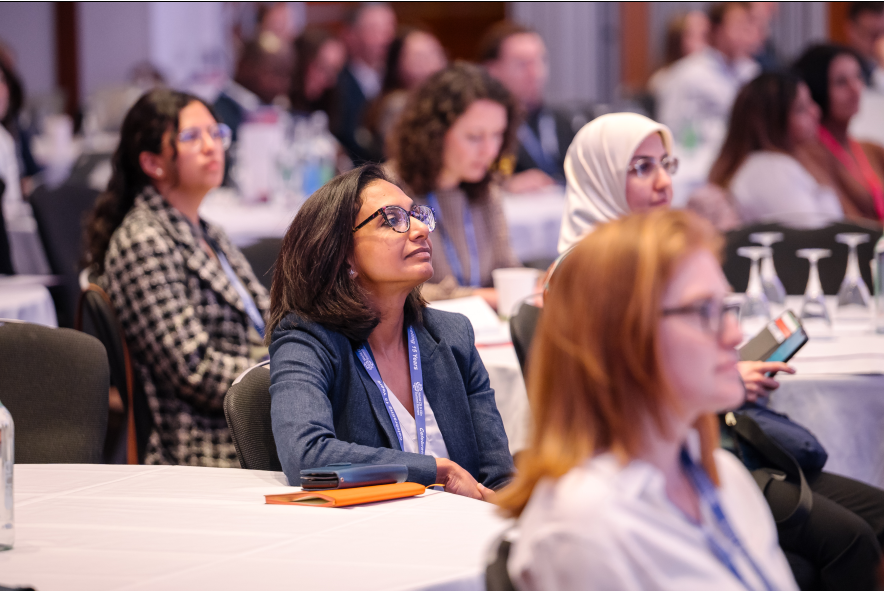
Join Biopharma Experts
Be part of the hottest conversations with like-minded attendees spanning all stages of drug development and make critical connections during our dedicated networking sessions.